T
Facebook
"Charles is very professional and thorough. He took the time to explain everything he was doing and why. Our home has been pest-free since his first visit. Highly recommend PIP to anyone in Waukesha County."

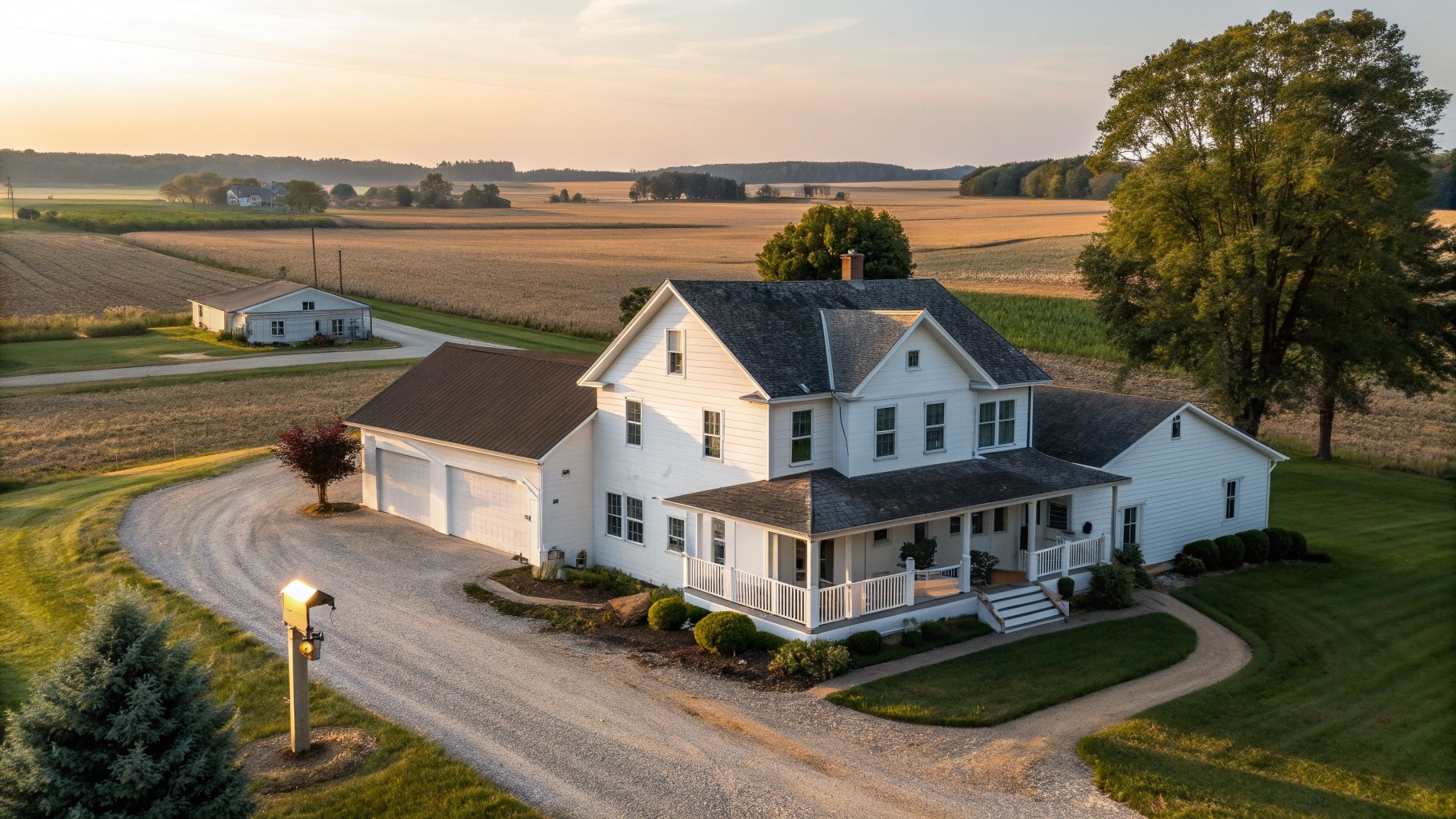
Clothing Moths in Big Bend aren't a generic problem — they're shaped by the agricultural-edge environment, Big Bend's housing stock, and southeastern Wisconsin's seasonal extremes. PIP's treatment protocols for clothing moths in Big Bend are built on these local realities — not a franchise playbook copied from another state.
Local environment, housing stock, and Wisconsin climate create clothing moths conditions specific to Big Bend — not a generic problem with a generic solution.
Big Bend's proximity to agricultural land means field mice (Peromyscus) and house mice (Mus musculus) both seek indoor harborage when crops are harvested and fall temperatures drop. Fox River adds waterfront rodent pressure, with mice migrating from embankments into nearby residential structures. Homes in the Fox River flats area are typically the first to report fall activity due to proximity to open land. The Fox River floodplain dominates Big Bend's pest ecology. Annual spring flooding deposits standing water across the flats, creating a mosquito breeding corridor that most pest companies underestimate. Floodplain humidity keeps wood moisture content elevated in riverside homes year-round, accelerating carpenter ant and termite damage. When night temperatures consistently fall below 50°F in Big Bend — typically mid-September — mice begin probing structures for winter entry points. A single female can produce 5–10 litters per year, each with 5–6 pups, meaning one fall entry can become a significant infestation by January.
Small Fox River village with 1920s–1950s homes along the river and 1970s–1990s ranches on surrounding hills. Older homes in Big Bend — especially in the Fox River flats area often have gaps at the sill plate that have widened over decades of freeze-thaw cycling, creating entry points large enough for mice (1/4 inch) without any visible exterior damage. Mice don't need a hole — they need a gap. Any opening the diameter of a dime is sufficient.
House mice in Big Bend build nests inside wall insulation, above drop ceilings, and behind appliances — anywhere that provides warmth and concealment within 30 feet of a food source. Rural and agricultural-edge homes near Fox River flats see deer mice (Peromyscus) in addition to house mice, particularly in outbuildings, garages, and storage areas. Properties along Fox River face additional rodent activity in lower-level storage and crawl spaces.
Clothing Moths in Big Bend won't resolve on their own — populations grow through every season cycle. Early treatment is always less expensive and less disruptive than emergency response after an infestation establishes. Schedule your free inspection today.
Wisconsin's climate drives distinct clothing moths patterns. Here's what Big Bend homeowners face each season — and what to do about it.
Spring in Big Bend brings rodent displacement — as heating systems shut down and outdoor food sources become available, overwintered mice relocate back outdoors. This is the ideal time for exclusion work: seal every gap larger than 1/4 inch while the population is low and exterior-focused. Fox River flats-area homes should prioritize spring exclusion before the fall cycle restarts. Spring also reveals winter damage — gnawed wires, contaminated insulation, and stored food damage.
View Spring forecastSummer rodent pressure in Big Bend is typically the lowest of the year, but outdoor populations are breeding rapidly. Field mice in agricultural areas near Big Bend produce multiple litters through summer, building the population that will seek indoor harborage in fall. This is the time to complete exclusion sealing and address attractants before fall migration.
View Summer forecastFall is Big Bend's highest-risk rodent period. When night temperatures drop below 50°F — typically mid-September — mice begin probing structures for winter entry. Agricultural harvest fields displaces enormous field mouse populations, sending waves of rodents toward residential structures at the rural-suburban edge. Homes in the Fox River flats area are typically the first to report increased activity. A single pair of mice that enters in September can produce 35–60 offspring by December.
View Fall forecastMice are fully interior in Big Bend during winter, nesting in wall insulation, above drop ceilings, and behind appliances. Activity concentrates near heat and food sources. Older Big Bend homes in Fox River flats and other established areas with less insulation may have higher interior rodent activity as mice seek warmer spaces. Trapping and exclusion continue year-round — but prevention before fall entry is always more effective than winter control.
View Winter forecastPIP's clothing moths treatment in Big Bend follows a 4-step protocol designed for rural and agricultural-edge homes. Every service starts with a free inspection — we diagnose before we treat, and we never apply generic solutions.
Complete interior and exterior inspection of your Big Bend home using LED tools and gap measurement. Every opening at the foundation, sill plate, roofline, and utility penetrations is measured and documented. Droppings, grease marks, and gnaw damage mapped to identify travel routes.
Every gap larger than 1/4 inch sealed with hardware cloth, copper mesh, concrete patch, or steel wool — materials mice cannot gnaw through. Older Big Bend foundations may require extensive sealing at deteriorated mortar joints and original window wells.
Snap traps placed along confirmed travel routes — behind appliances, along wall-floor junctions, in attic runs. All traps monitored on a scheduled rotation until activity ceases. Void treatments target active nest areas. Bait stations placed at exterior perimeter for population reduction.
Contaminated insulation areas identified. Food storage recommendations provided. Entry point monitoring continues for 30 days to confirm exclusion effectiveness. Any new activity triggers immediate re-service at no additional charge under our guarantee.
All PIP treatments in Big Bend use EPA-registered, targeted products applied by Wisconsin-licensed technicians. Our methods prioritize family and pet safety — crack-and-crevice application, gel baits, and exterior barriers minimize indoor exposure. We provide specific re-entry timelines for every treatment.
If clothing moths return between scheduled treatments, PIP re-services your Big Bend property at no additional charge. Our results-backed guarantee means you only pay for protection that works.
Clothing Moths treatment pricing in Big Bend is based on your home's square footage, severity of the issue, and number of treatment points. Every home is different, which is why PIP offers free inspections with transparent, upfront pricing before any work begins. Annual prevention plans — which include quarterly monitoring — provide the best long-term value. No contracts required.
PIP provides same-day emergency service throughout Big Bend and all of Waukesha County. For non-emergency situations, we typically schedule within 24–48 hours. Our Big Bend-area technicians carry full treatment equipment, so most jobs are completed in a single visit. Call (262) 893-5271 for immediate scheduling.
All PIP treatments use EPA-registered, targeted products applied by licensed Wisconsin technicians. Our methods prioritize crack-and-crevice application, gel baits, and exterior barriers that minimize exposure inside living spaces. We provide specific re-entry guidelines for each treatment — typically 30 minutes to 2 hours. Pet and child safety is always the first design consideration.
Clothing Moths pressure in Big Bend varies by season, but year-round monitoring provides the most reliable protection. Quarterly service visits aligned with Wisconsin's seasonal pest cycles ensure treatment stays ahead of population surges. One-time treatments resolve immediate issues, but prevention plans stop infestations before they start — which is always cheaper than emergency response.
Residential areas in Big Bend create concentrated food sources and harborage that support higher mouse populations than rural areas. PIP's Big Bend treatment protocols are designed for these specific conditions.
Mice enter through any gap larger than 1/4 inch — about the diameter of a dime. Common entry points in Big Bend homes include gaps around dryer vents, space beneath garage doors, weep holes in brick, pipe chases through basement slabs, and where siding meets the foundation cap. PIP's exclusion process seals every identified entry point with steel wool, copper mesh, or concrete patch.
Almost always, yes. Mice are social and rarely travel alone. If you see one mouse, there are likely 5–15 in the structure. A single breeding pair can produce 35–60 offspring in a single season. The mouse you saw is the most adventurous member of a colony already established in your wall voids or attic. Professional inspection identifies the full scope of activity.
"Charles is very professional and thorough. He took the time to explain everything he was doing and why. Our home has been pest-free since his first visit. Highly recommend PIP to anyone in Waukesha County."
"We had a terrible mouse problem in our garage and basement. Charles came out same day, sealed the entry points, and set up a treatment plan. Haven't seen a single mouse since. So grateful for the fast response."
"The mosquitoes in our yard were unbearable last summer. PIP treated our property and the difference was immediate. We could finally enjoy our backyard again. Will definitely be doing the seasonal program this year."
We live and work in Mukwonago. Your pest problems are our neighborhood's pest problems. No call centers, no corporate runaround.
Unlike reactive exterminators, PIP focuses on preventing infestations before they start. Our seasonal programs keep pests out year-round.
We use targeted, EPA-registered products with minimal environmental impact. Safe for your family, pets, and Wisconsin's ecosystem.
Wasp nest by the front door? Mice in the kitchen? Call us and we'll prioritize your service for same-day treatment.
Pay only for what you need. No long-term commitments, no cancellation fees. Pricing based on your home square footage. We earn your business every visit.
Love PIP? Refer a friend and you both save. You earn 10–20% off your next service; they get 20% off their first.
Don't wait — PIP prioritizes same-day service across Waukesha County. Call now and we'll get to you today.
Call Now: (262) 893-5271