
Boxelder Bugs in Hartland aren't a generic problem — they're shaped by the wooded landscape, Hartland's housing stock, and southeastern Wisconsin's seasonal extremes. PIP's treatment protocols for boxelder bugs in Hartland are built on these local realities — not a franchise playbook copied from another state.
Local environment, housing stock, and Wisconsin climate create boxelder bugs conditions specific to Hartland — not a generic problem with a generic solution.
Spiders in Hartland are indicators — their presence means a prey insect population is supporting them. The wooded environment — particularly near Hartland Marsh State Wildlife Area and Ice Age Trail passage — supports a diverse prey insect population — moths, beetles, flies — that sustains higher spider numbers than open suburban areas. Properties in the Nixon Park area area report more orb weaver and wolf spider activity than the village center. The Bark River floodplain creates a humidity corridor through the village center. Hartland Marsh to the north harbors high tick and mosquito populations that encroach on adjacent residential areas during peak seasons.
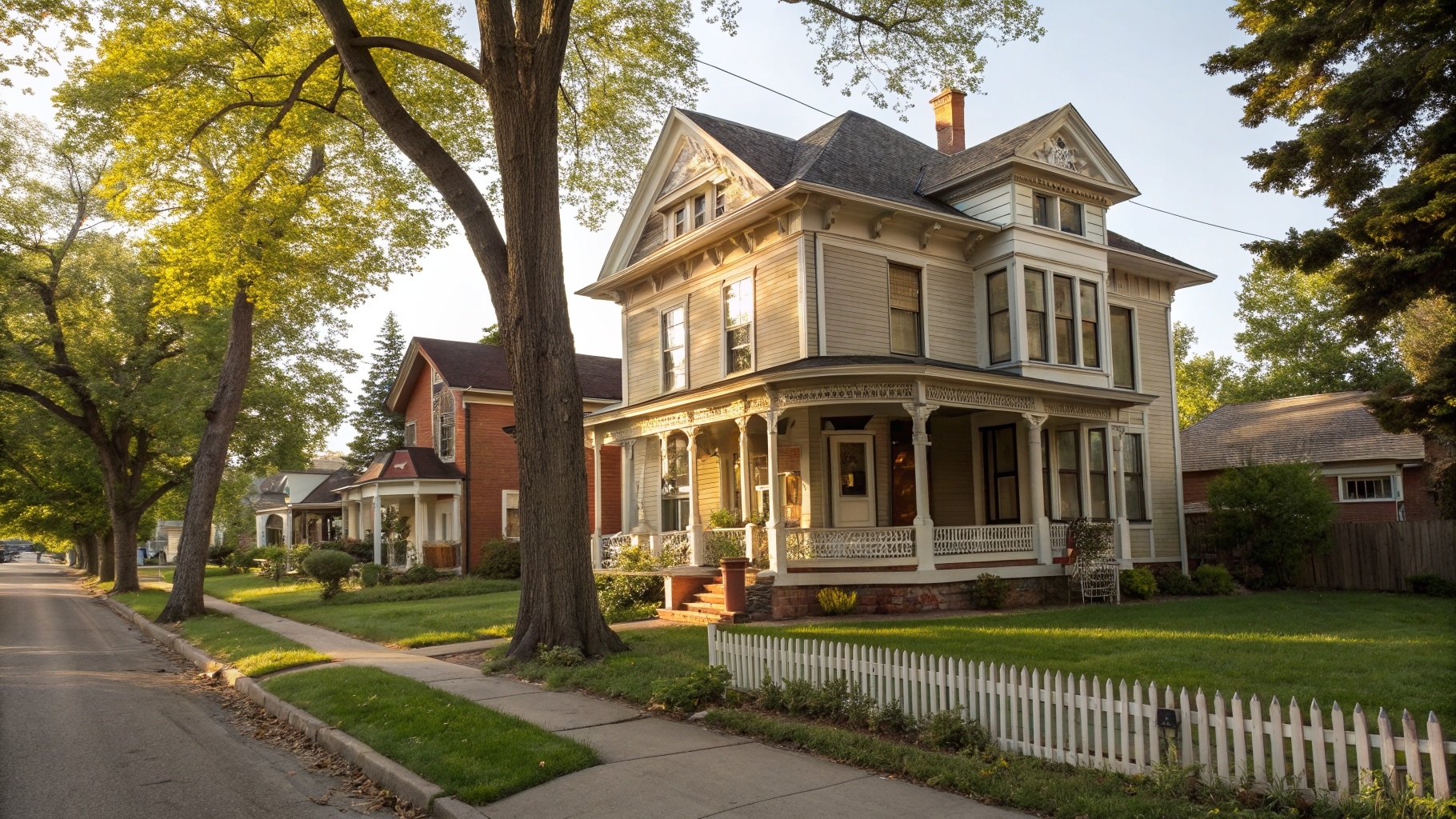
Charming downtown core with 1900s–1940s homes alongside 1980s–2000s family subdivisions. Older construction in Hartland, especially the Nixon Park area area, has more foundation cracks, unscreened basement windows, and gaps around original window wells that give spiders ground-level entry to basements and crawl spaces. Basement humidity above 50% creates ideal habitat for cellar spiders and house spiders, while garages and storage areas with clutter provide harborage for wolf spiders and ground hunters.
Wolf spiders are the most commonly reported spider in Hartland homes — large, fast-moving ground hunters that enter basements and garages following prey insects. They don't build webs; they hunt by pursuit, which makes them more startling to homeowners. Common house spiders build tangled cobwebs in undisturbed corners, window wells, and beneath furniture. Properties near Hartland Marsh State Wildlife Area in Hartland see higher orb weaver activity on exterior structures and increased wolf spider migration in fall as outdoor temperatures drop.
Boxelder Bugs in Hartland won't resolve on their own — populations grow through every season cycle. Early treatment is always less expensive and less disruptive than emergency response after an infestation establishes. Schedule your free inspection today.
Wisconsin's climate drives distinct boxelder bugs patterns. Here's what Hartland homeowners face each season — and what to do about it.
Spring in Hartland brings emergence of overwintered spider females, many carrying egg sacs containing hundreds of spiderlings. Warming temperatures activate prey insect populations, which in turn triggers spider activity. Basement and garage spiders become more visible as they expand territories following available prey. Spring perimeter treatment establishes a chemical barrier before populations peak.
View Spring forecastPeak web-building season in Hartland. Orb weavers construct large webs across exterior pathways, between porch columns, and around exterior lights. Wooded Hartland properties see dramatic increases in spider variety and density as the full prey insect spectrum becomes active. Interior spiders expand into upper floors and less-trafficked rooms. This is when most homeowners first notice and report spider issues.
View Summer forecastFall is peak indoor spider migration in Hartland. Wolf spiders, the most commonly reported species, move indoors following prey insects seeking winter shelter. Male spiders also become more mobile in fall as they search for mates, increasing sightings in living spaces, bathtubs, and sinks. Fall is when spider treatment is most impactful — reducing prey insect entry simultaneously reduces spider numbers. Brown recluse, while uncommon in Waukesha County, should be professionally identified if suspected.
View Fall forecastInterior spiders remain active in heated Hartland homes year-round. Cellar spiders cluster near moisture sources in basements. House spiders maintain webs in undisturbed corners. Wolf spiders shelter in basements and garages. The population stabilizes at a lower level, but doesn't disappear. Winter is an excellent time for interior treatment and habitat reduction — declutter storage areas, run dehumidifiers, and seal foundation cracks while pest pressure is manageable.
View Winter forecastPIP's boxelder bugs treatment in Hartland follows a 4-step protocol designed for wooded residential properties. Every service starts with a free inspection — we diagnose before we treat, and we never apply generic solutions.
Species identification is critical — brown recluse (uncommon but documented in Waukesha County) requires different treatment than common house or wolf spiders. We simultaneously assess prey insect populations — spider numbers are directly driven by available food.
Barrier spray targeting foundation edges, window wells, doorframes, and eave lines where spiders concentrate. Web knockdown with extension tools. Granular barrier along the full foundation perimeter to intercept incoming spiders and prey insects.
Crack-and-crevice application in basements, garages, and utility rooms. Glue board monitoring stations placed in key areas. When spider numbers are high, we treat for prey insects simultaneously — cutting off the food supply is the most effective long-term spider reduction strategy.
Recommendations for reducing spider-attracting conditions: switch exterior lights to yellow or sodium vapor bulbs, seal foundation cracks, install door sweeps, reduce basement clutter, and maintain dehumidifier below 50% humidity. These changes multiply the effectiveness of chemical treatment.
All PIP treatments in Hartland use EPA-registered, targeted products applied by Wisconsin-licensed technicians. Our methods prioritize family and pet safety — crack-and-crevice application, gel baits, and exterior barriers minimize indoor exposure. We provide specific re-entry timelines for every treatment.
If boxelder bugs return between scheduled treatments, PIP re-services your Hartland property at no additional charge. Our results-backed guarantee means you only pay for protection that works.
Boxelder Bugs treatment pricing in Hartland is based on your home's square footage, severity of the issue, and number of treatment points. Every home is different, which is why PIP offers free inspections with transparent, upfront pricing before any work begins. Annual prevention plans — which include quarterly monitoring — provide the best long-term value. No contracts required.
PIP provides same-day emergency service throughout Hartland and all of Waukesha County. For non-emergency situations, we typically schedule within 24–48 hours. Our Hartland-area technicians carry full treatment equipment, so most jobs are completed in a single visit. Call (262) 893-5271 for immediate scheduling.
All PIP treatments use EPA-registered, targeted products applied by licensed Wisconsin technicians. Our methods prioritize crack-and-crevice application, gel baits, and exterior barriers that minimize exposure inside living spaces. We provide specific re-entry guidelines for each treatment — typically 30 minutes to 2 hours. Pet and child safety is always the first design consideration.
Boxelder Bugs pressure in Hartland varies by season, but year-round monitoring provides the most reliable protection. Quarterly service visits aligned with Wisconsin's seasonal pest cycles ensure treatment stays ahead of population surges. One-time treatments resolve immediate issues, but prevention plans stop infestations before they start — which is always cheaper than emergency response.
Wooded properties in Hartland provide diverse prey insect populations that sustain higher spider densities than open areas. PIP's Hartland treatment protocols are designed for these specific conditions.
We live and work in Mukwonago. Your pest problems are our neighborhood's pest problems. No call centers, no corporate runaround.
Unlike reactive exterminators, PIP focuses on preventing infestations before they start. Our seasonal programs keep pests out year-round.
We use targeted, EPA-registered products with minimal environmental impact. Safe for your family, pets, and Wisconsin's ecosystem.
Wasp nest by the front door? Mice in the kitchen? We respond the same day because emergencies can't wait.
Pay only for what you need. No long-term commitments, no cancellation fees. Pricing based on your home square footage. We earn your business every visit.
Love PIP? Refer a friend and you both save. You earn 10–20% off your next service; they get 20% off their first.
Don't wait when safety is at risk. PIP's emergency team responds same-day across Waukesha County.
Call Now: (262) 893-5271